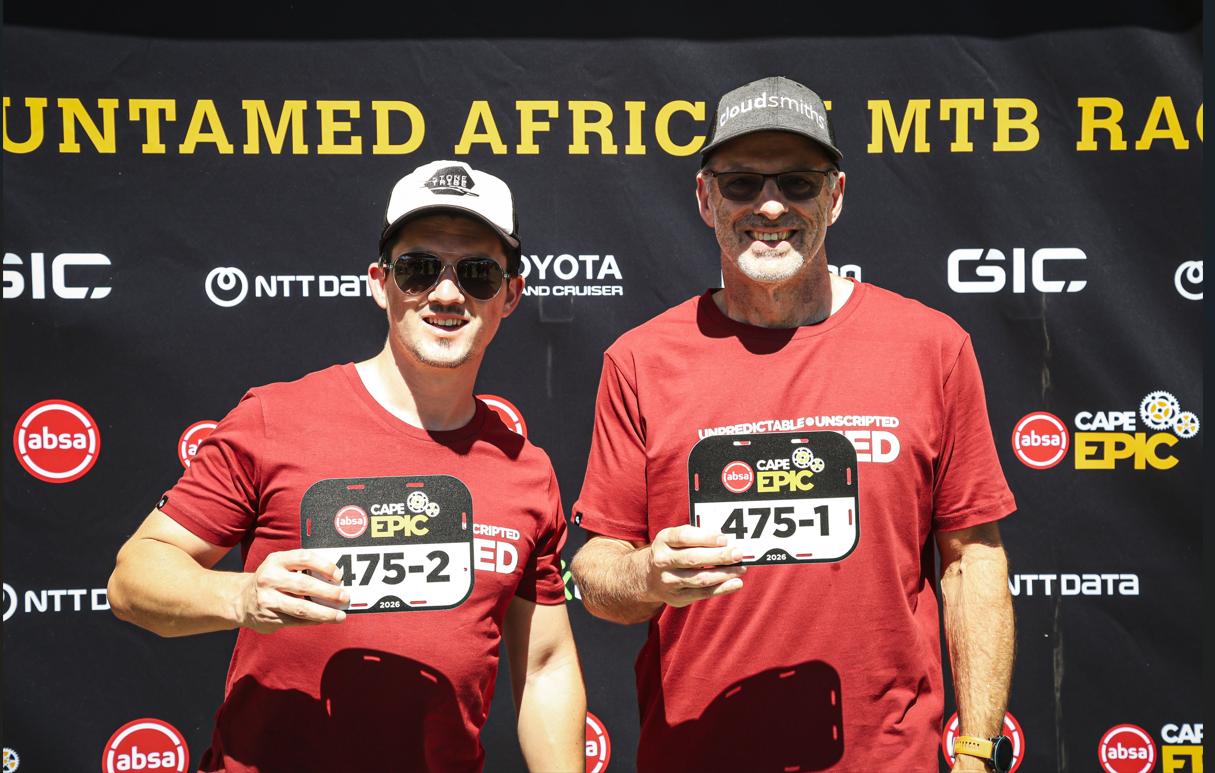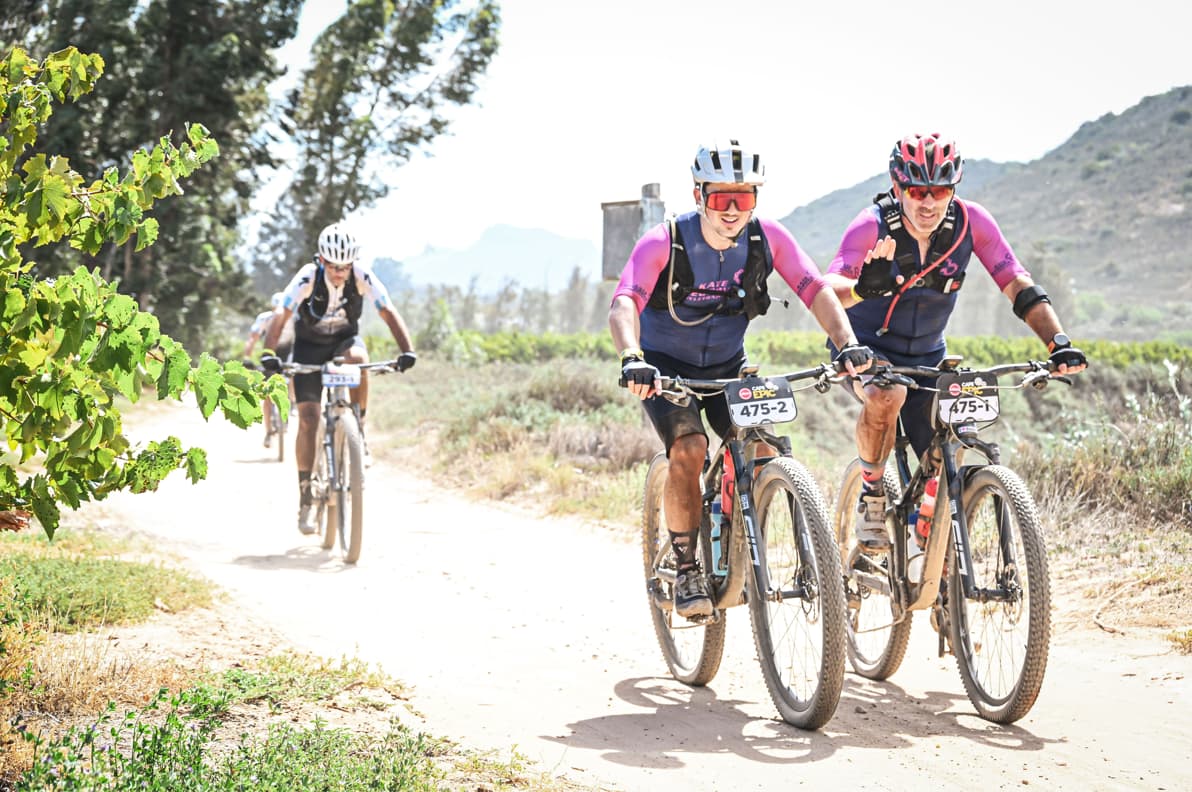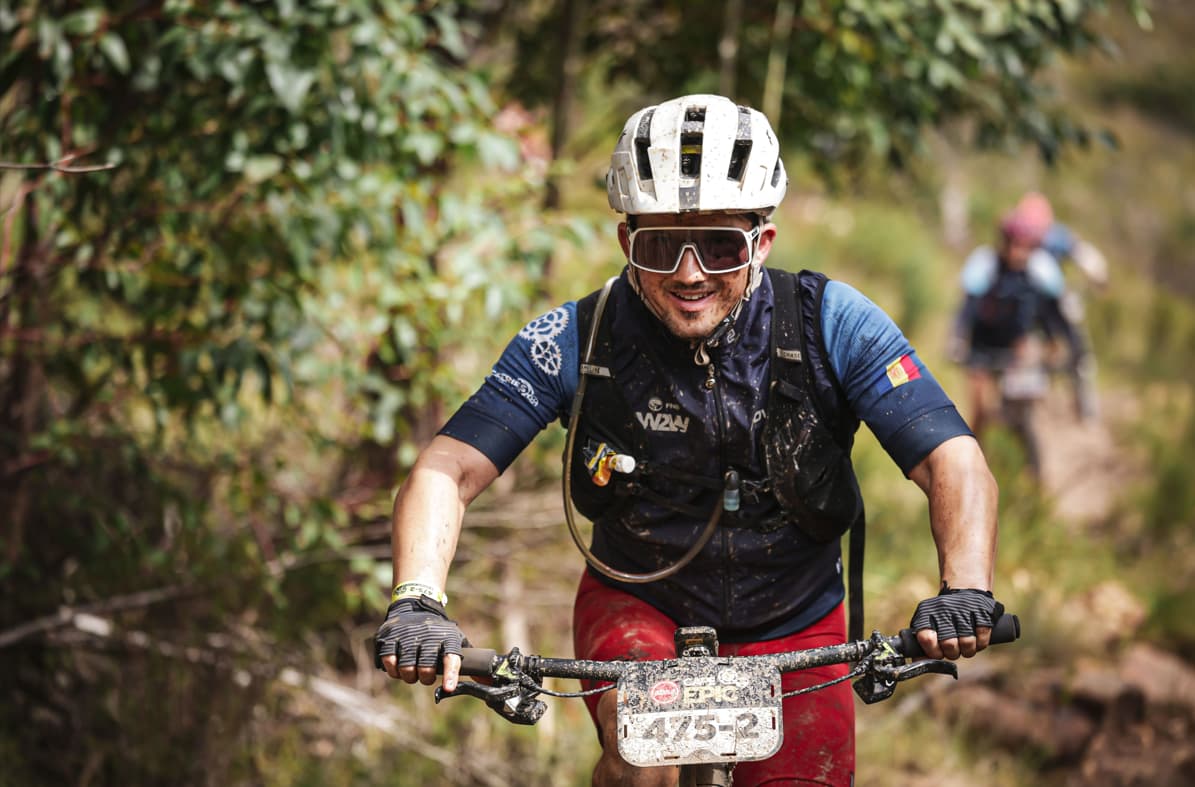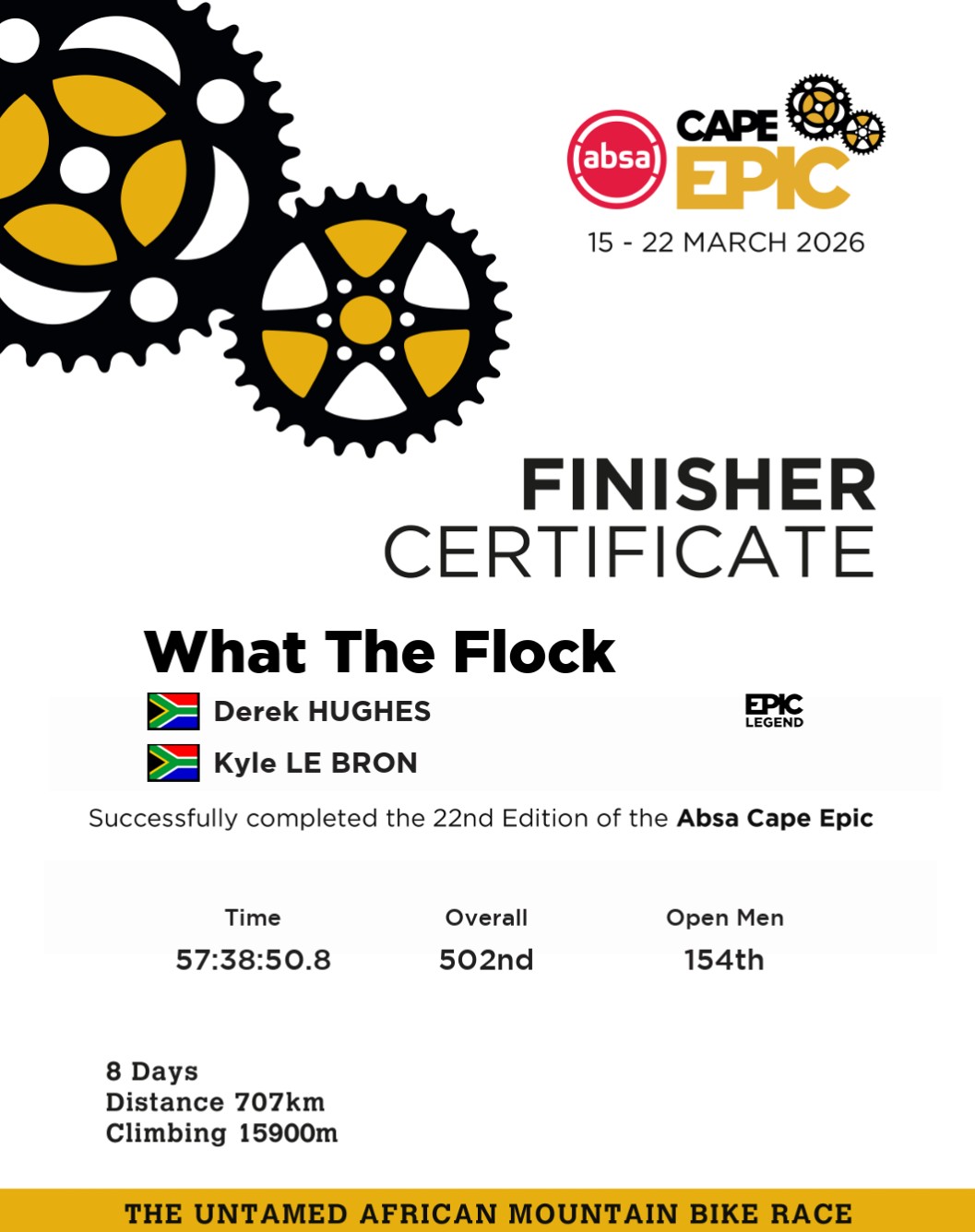


Cape Epic 2026 - Team WTF — Derek & Kyle
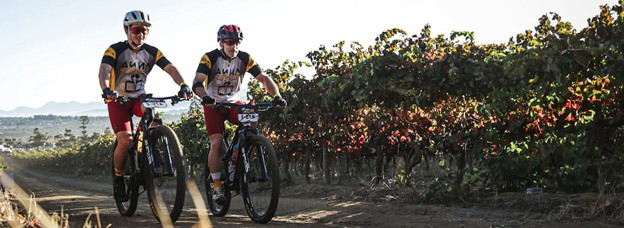
The journey to the Cape Epic didn't start on the start line. It started months earlier.
Our real training block began around November, when we completed Wines2Whales, which set the tone for what lay ahead. From there, we moved into a focused training camp in the Western Cape, followed by time in the Eastern Cape, where we wrapped things up with the ATTAKWAS Extreme. After that came one or two shorter training blocks back in Johannesburg.
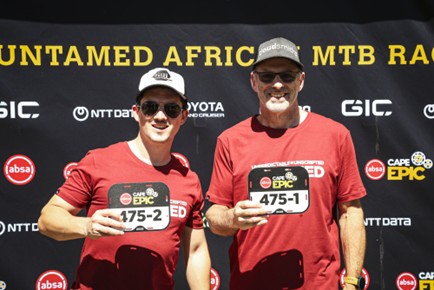
The final test before Epic was the Imbuko Big 5 - a race I did solo. To this day, it remains one of the hardest single-day rides I've ever done. But doing well there gave me confidence. I knew, physically, I was ready for the Cape Epic.
What I didn't anticipate was what would happen next.
In the weeks leading into the race, I started dealing with significant health issues -underlying burnout, flu‑like symptoms, and a general sense that my body wasn't recovering. I was incredibly excited to ride The Route 66, but I made the difficult decision to prioritise my health and skip it.
A week later, I found myself in Cape Town, not in perfect condition, but slowly improving. I managed to get in a couple of training rides with Derek, and as Epic approached, I felt cautiously optimistic.
Kyle
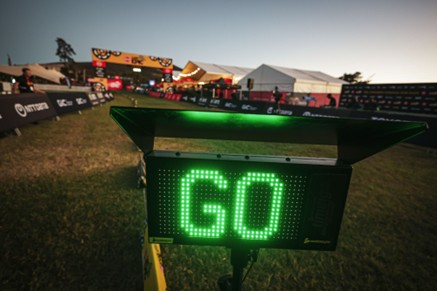
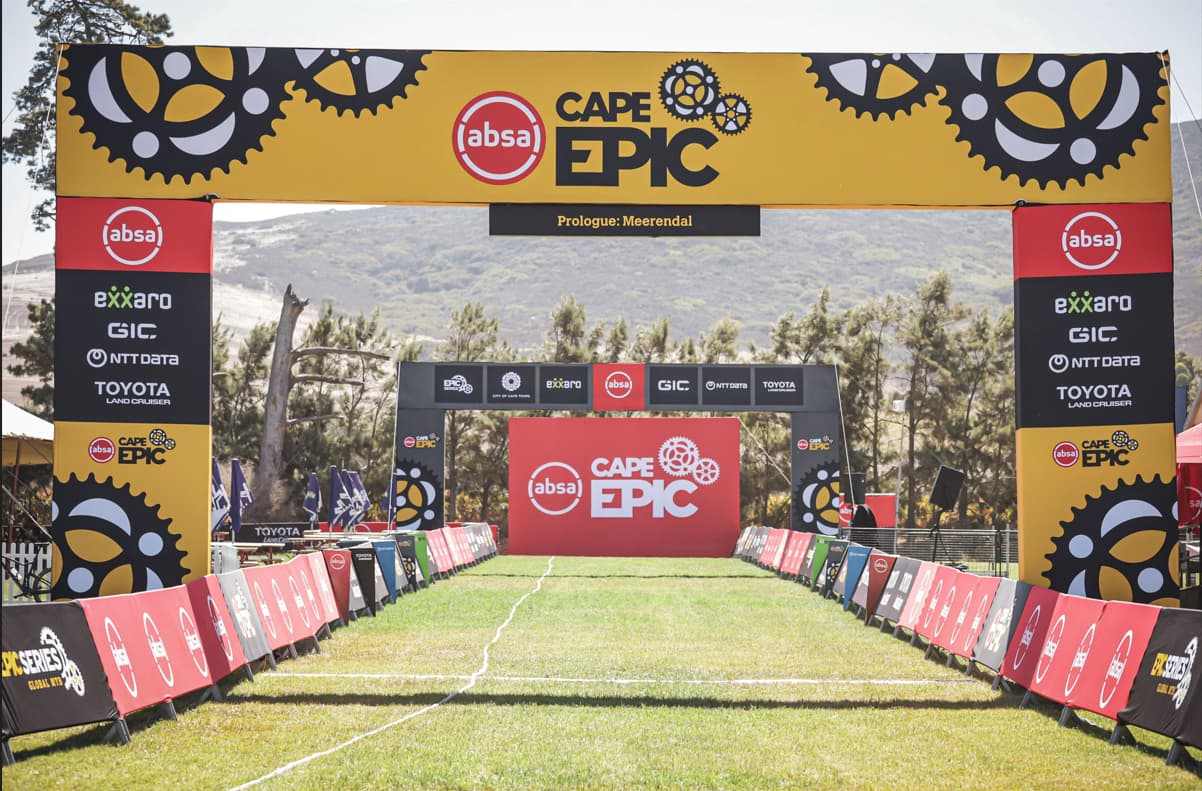
Going into the Prologue at Meerendal, I was nervous but surprisingly, I felt good. Derek and I decided to take it conservatively. My health was still a factor, and just as importantly, we wanted to avoid seeding ourselves into a pace that would hurt us badly on Stage 1.
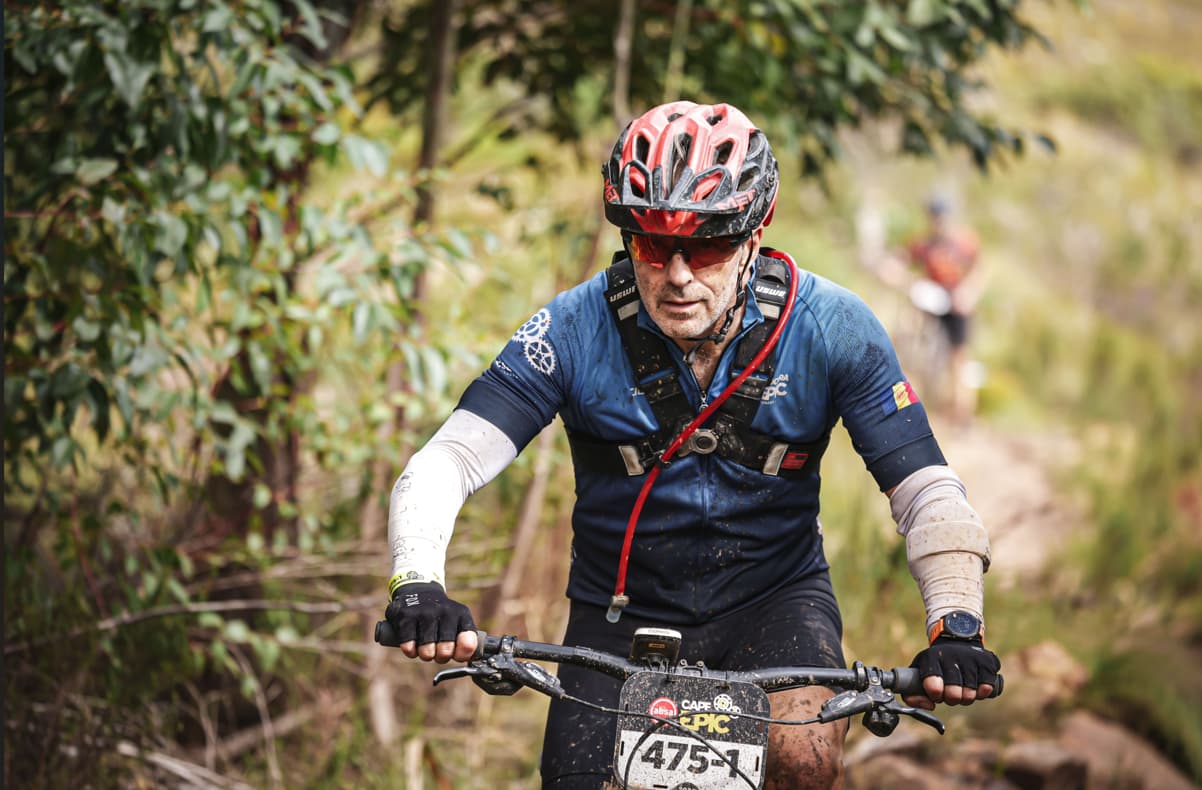
Stage 1 in Montagu was brutally hot -well over 40°C, at times pushing closer to 45°C. The field was chaotic. Many riders simply weren't acclimatised to the heat. I remember helping one or two riders up climbs where their bodies were clearly shutting down.
Despite the conditions, Derek and I felt strong. We finished the day tired, but confident that we'd managed ourselves well.
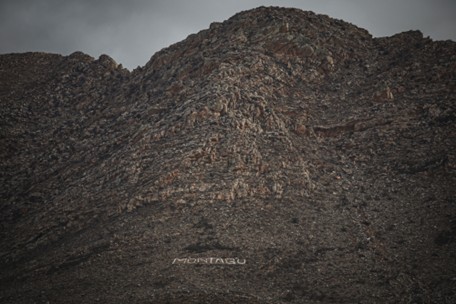
Stage 2 -was rocky, technical, and demanding. Beautiful trails with some long climbs that we felt we handled well, and by the end of the day we were tired and a bit battered but felt capable of maintaining our pace.
Stage 3 -the longest stage at around 140km -changed everything. The weather flipped from extreme heat to humid, overcast, rainy conditions. The pace was high, and survival depended on staying in groups. Riding alone would have burned matches we couldn't afford.
The trails became muddy. Conditions deteriorated. But we stuck to our plan, worked together, and crossed the line confident that we hadn't overreached. Interesting enough, this was the first day we really took a step back and planned the day, this included which sections we would attack, what our average pace per water point would be, and how we would ride.
It was a long day, but we were fortunate enough to join the ABSA SHEUNTAMED group around midway through the ride, and we rode with them till the end. Thank you ABSA!
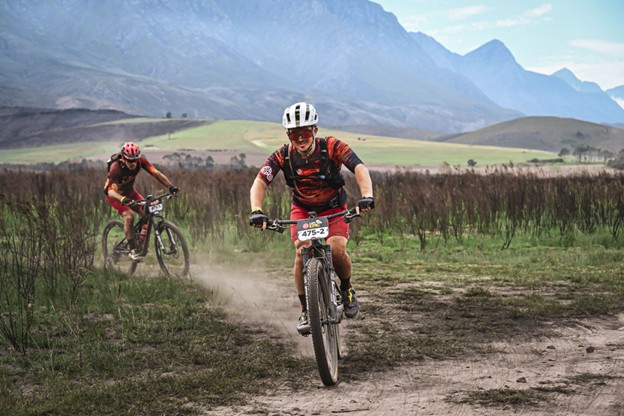
Stage 4 took us into Greyton; trails we'd ridden back in December. We weren't intimidated by the terrain -but by now, the first four days had taken their toll.
Sore bodies. Sore legs. Fatigue everywhere.
Then Derek had a fall.....
He was shaken, his ribs took a serious hit, but he pushed on. We eventually made it back to base, but it was a tough, grinding day -physically and mentally. It was the first time we really felt the cost of the race and how a lapse in concentration could cost us valuable time!
That day we just made the waterpoint cut off and were forced to chase from behind, I dug very deep that day and managed to get myself and Derek over the line.
Stage 5 -the Queen Stage -was where we put all the cards on the table.
That morning, Derek and I formed an unexpected alliance with a rider named Maria. We'd noticed throughout the week that she was a very strong rider but was struggling due to team dynamics. Often, she ended up riding at our pace due to these dynamics.
We approached her and said:
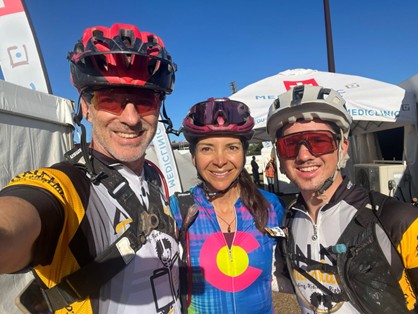 “Instead of riding ahead and waiting around, why don't you join us today?”
Without hesitation, Maria said yes.
And truthfully -if it wasn't for Maria, that day would have been a lot harder.
Her kindness, positivity, and strength lifted us. She motivated Derek. She pushed us forward. And I think, in return, we helped her rediscover how special the race really was.
By the time we reached the portage, we realised we were behind on average speed. There was no time to be made up on the decent, we had to try recover and go like the clappers when we got back on the bikes.
Derek was starting to struggle. The ribs were taking their toll. We then hit the biggest climb of the day -an absolute monster. We climbed hard but controlled, knowing that if we could crest it quickly, we might claw back time downhill.
At the top, reality hit again. The descent was as slow or slower than the climb.
We checked the calcs.
45 minutes left.
No discussion. We skipped the last water point and put the hammer down.
With about 5km to go, it became clear we were going to miss the cut‑off. I said to Derek:
“Don't stop. Don't give up. We need to believe.”
We rode like people with nothing left to lose.
And somehow -unbelievably -we crossed the line six minutes inside the extended cut‑off.
Maria, despite being strong enough to finish in the tiers of the race, didn't make the cut‑off. She sacrificed her race to support her teammate.
The next day, she came back and said:
“I'm doing this race again next year -with my boyfriend. And you two are going to smash it.”
Thank you, Maria!
Stage 6 in Stellenbosch was my hardest day mentally.
As the race progresses, Epic increases average speeds -assuming riders are adapting. For most amateurs, your body is simply accumulating damage.
The climbing was technical and slow. Riders were getting off bikes everywhere. It crushed morale.
For the first time, I said it out loud: “Derek, I don't know if we can do this.”
He replied: “We haven't given up yet. Why would we start now?”
We pushed on.
Later in the day, something shifted. The suffering didn't disappear -but it became manageable, energy levels lifted and I found my positivity again. I realised something critical: without each other, neither of us was finishing this race.
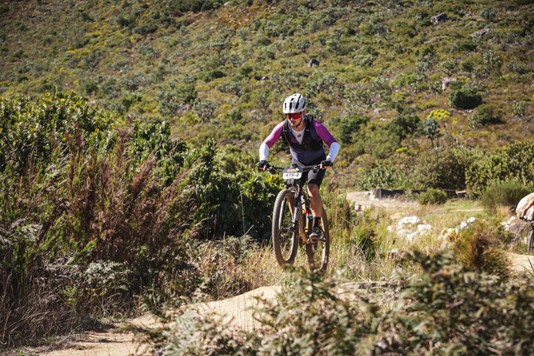
For the final quarter, my job was to motivate Derek relentlessly; talking, encouraging, refusing to let him drift.
We finished strong together.
The final day should have been familiar territory. We'd trained on those trails. On paper, it looked manageable.
But The Cape Epic always has one last lesson.
The average speed to the first water point was around 14 km/h -and Derek had had a terrible night. No sleep. A stomach bug. No appetite. No energy. His ribs were flaring badly. The “fun” trails -trails I normally love riding -suddenly felt cautious. Still beautiful. Still flowing. But dangerous if you switched off.
At one point, Derek said to me quietly: “Don't push harder -you're going to blow up.”
And I replied, probably a bit dramatically, but completely honestly: “I'd rather pop trying than let you not finish this Cape Epic.”
That day wasn't about racing. It wasn't about pushing ahead. It was about staying with my teammate -up the climbs, down the descents -and getting home together.
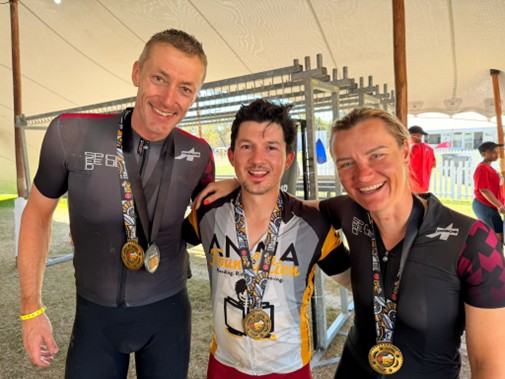
Near the top before Red Phoenix, we were the last team left on the mountain. We passed a team we'd seen earlier, clearly in trouble. I asked if they needed help. At first, they waved us on.
But then they shouted yes.
A major tyre failure. My electronic pump wasn't addressing the issue. The only solution was a tube - my only tube. I knew Derek still had a spare, so I stopped. No hesitation. We addressed the tyre and got moving again.
I then bombed down the descent to catch Derek.
Not long after, we ran into Barbara and Viv -friends from our December training camp. Absolute legends. Barbara was stuck in granny gear with a jammed derailleur. Again, no hesitation. Bike over. Cable unstuck. Adjusted just enough to keep her rolling.
Once that final mechanical was sorted, we rode on.
At the last water point, we took a breath -and heard a familiar voice cheering us on. It was Erica, our coach from Daisy Chain Systems, who had supported us throughout the race. Hearing her voice lifted us exactly when we needed it.
Near the end, Derek had a small fall. He picked himself up immediately. No drama. Just resilience.
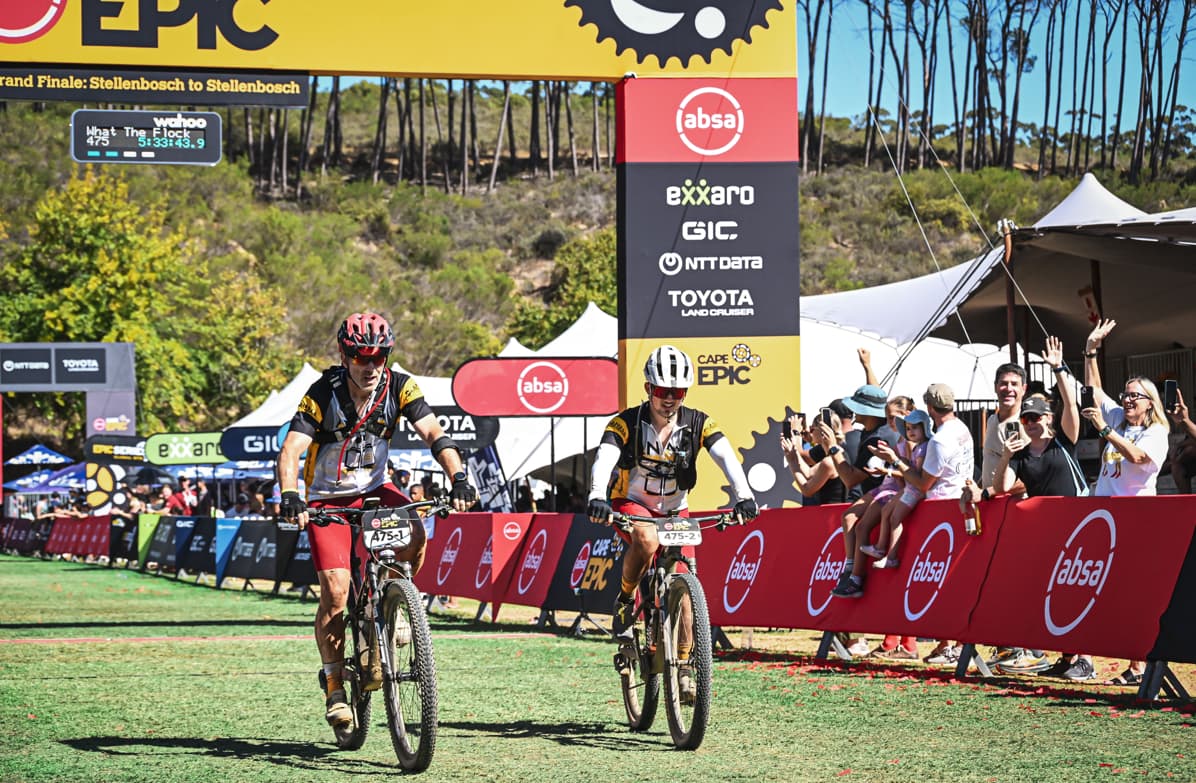
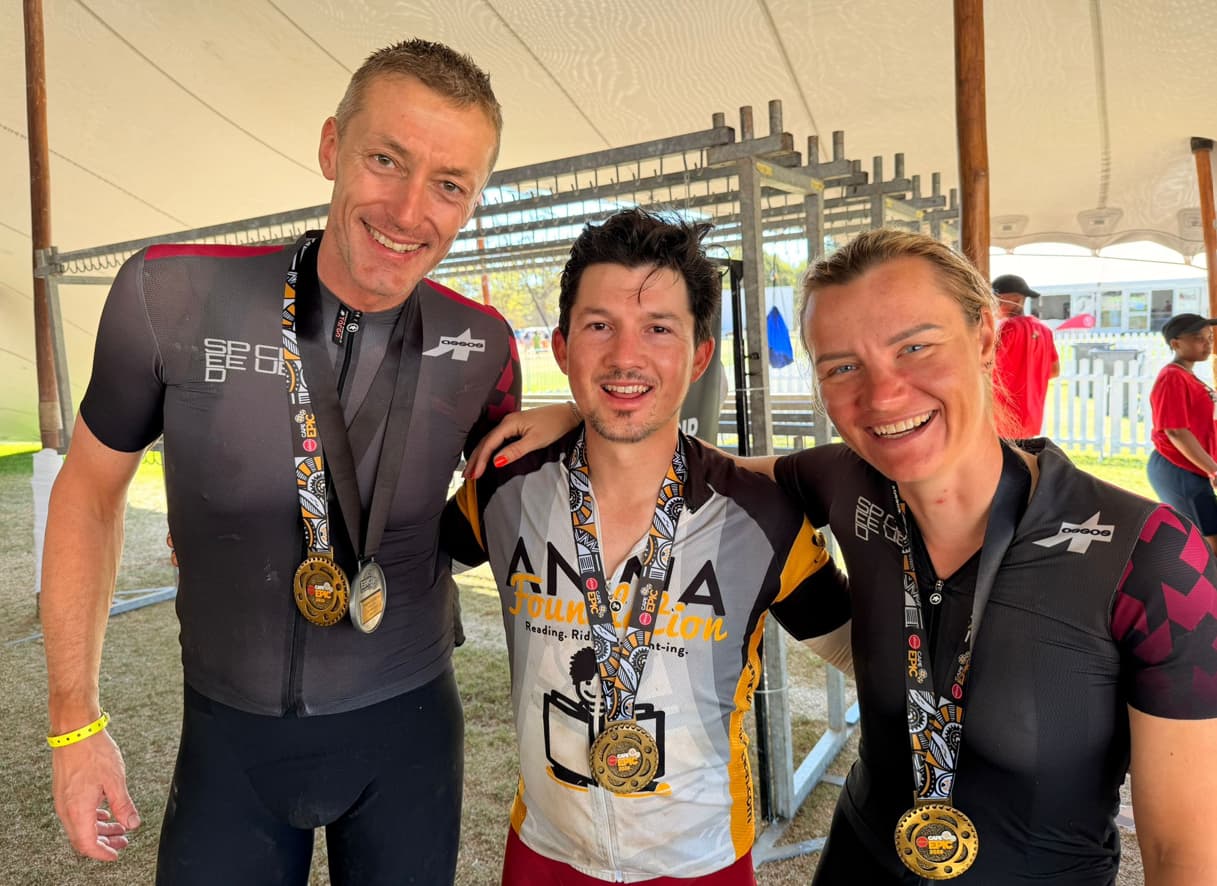
And then -after everything - we crossed the finish line.
Together.
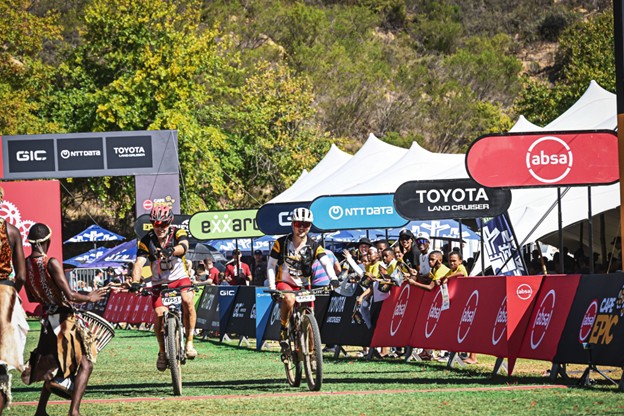

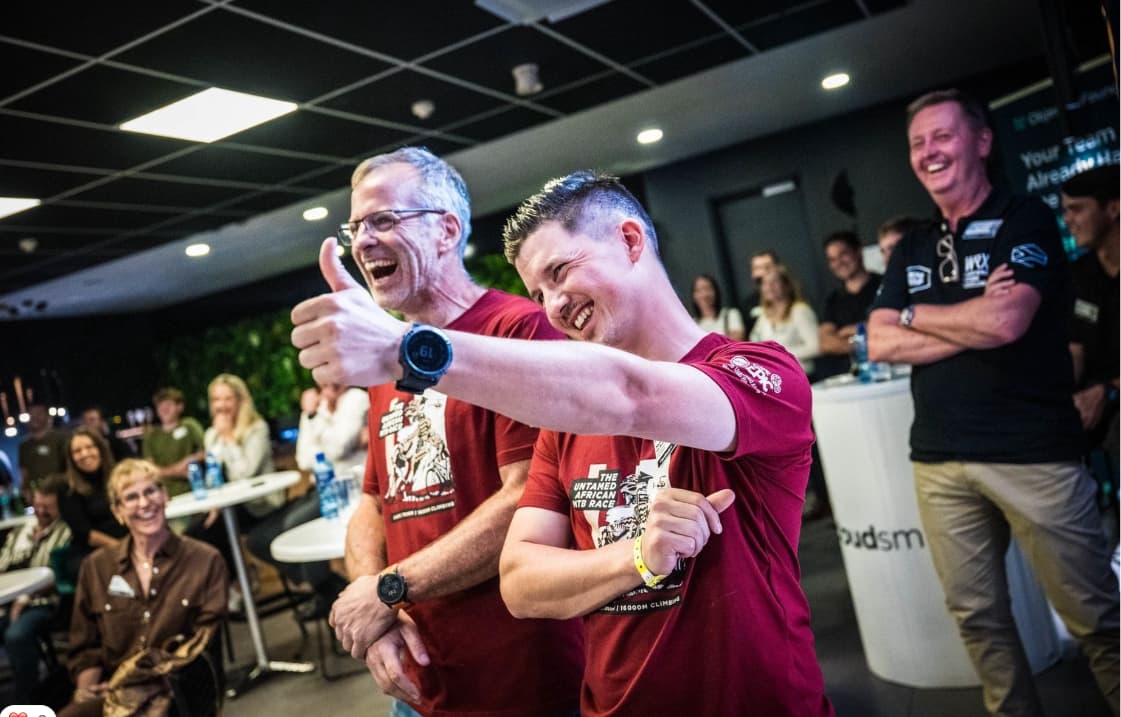
The finish was euphoric.
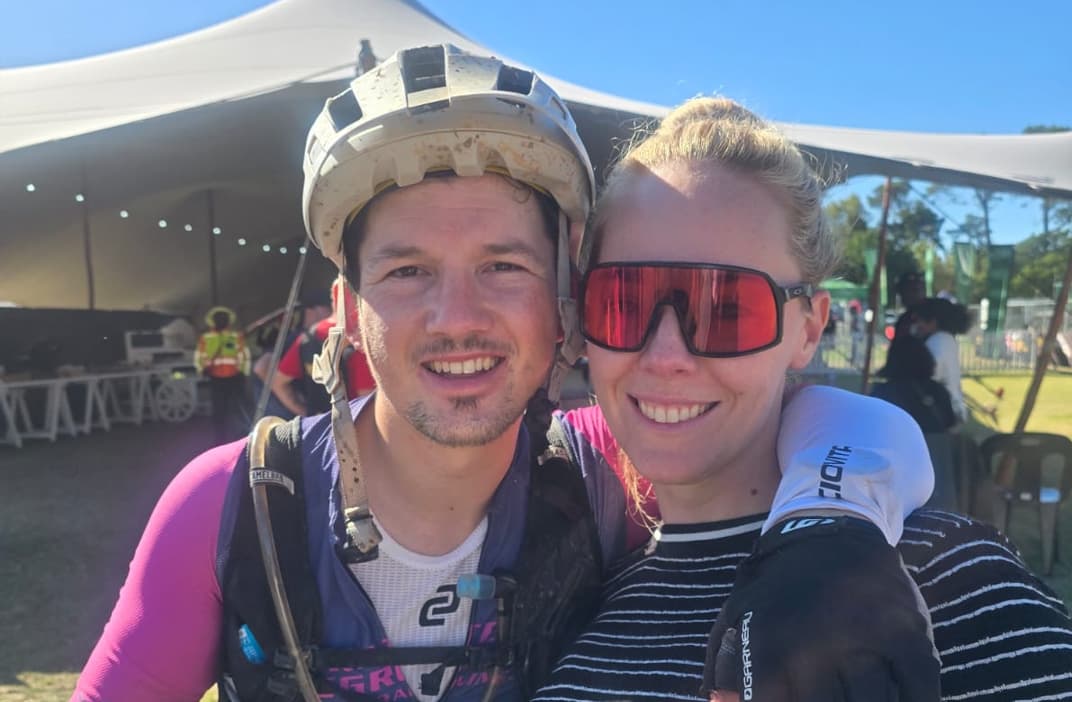
My fiancée ran over and kissed me. I hugged Derek. Friends appeared. Lance arrived with champagne. We forgot photos. Forgot the finish‑line picture. Everything was a blur.
It was pure joy.
Later, once the adrenaline faded, the emotions came. Tears. Relief. Exhaustion. Eight days of grit and suffering were finally released.
Back home, everyone asked:
“Would you do it again?”
And the answer is absolutely yes.
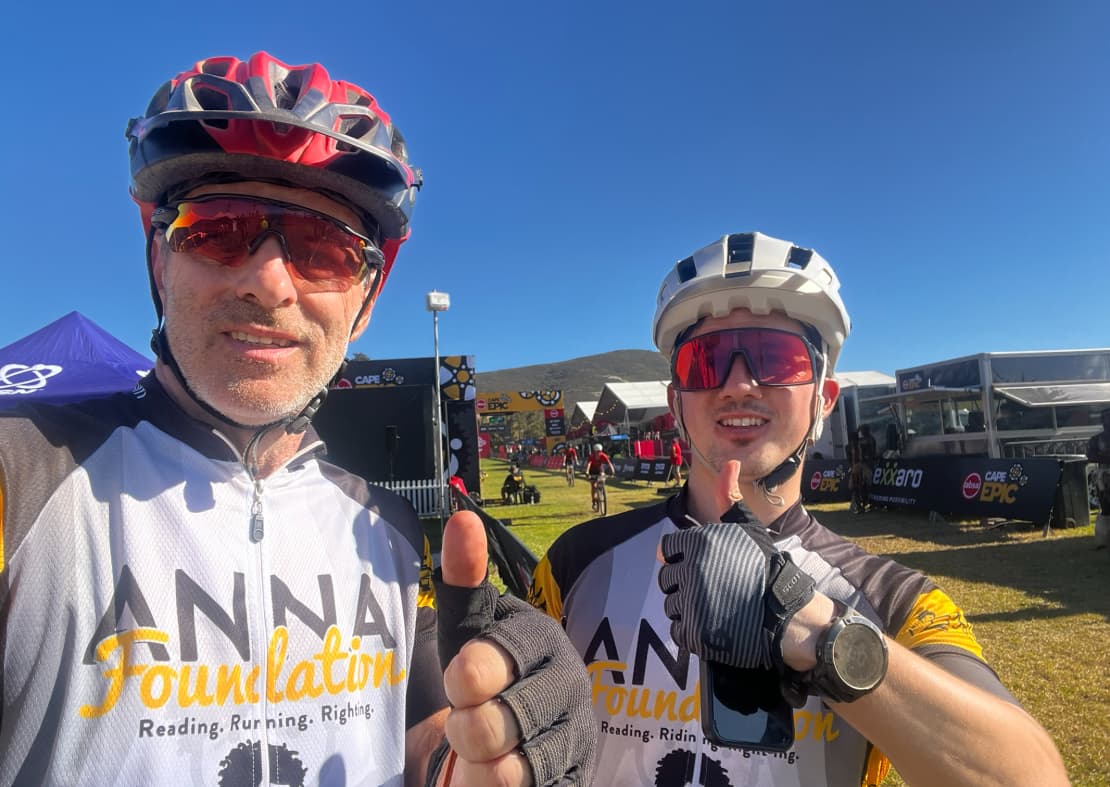
The Cape Epic changed me. Doing it for the Anna Foundation made it even more meaningful. Spending time with their kids earlier in the year and seeing what sport unlocks for them is something I'll never forget.
So, thank you:
We are incredibly proud of Kyle Le Bron and Derek Hughes for completing the Absa Cape Epic. 🚴♂️🏆🎉
Our learners were beaming as they cheered for them across the finish line. They were so excited to watch two riders they had met complete one of the toughest mountain bike races, all while raising important funds to support the Anna Foundation. 💛
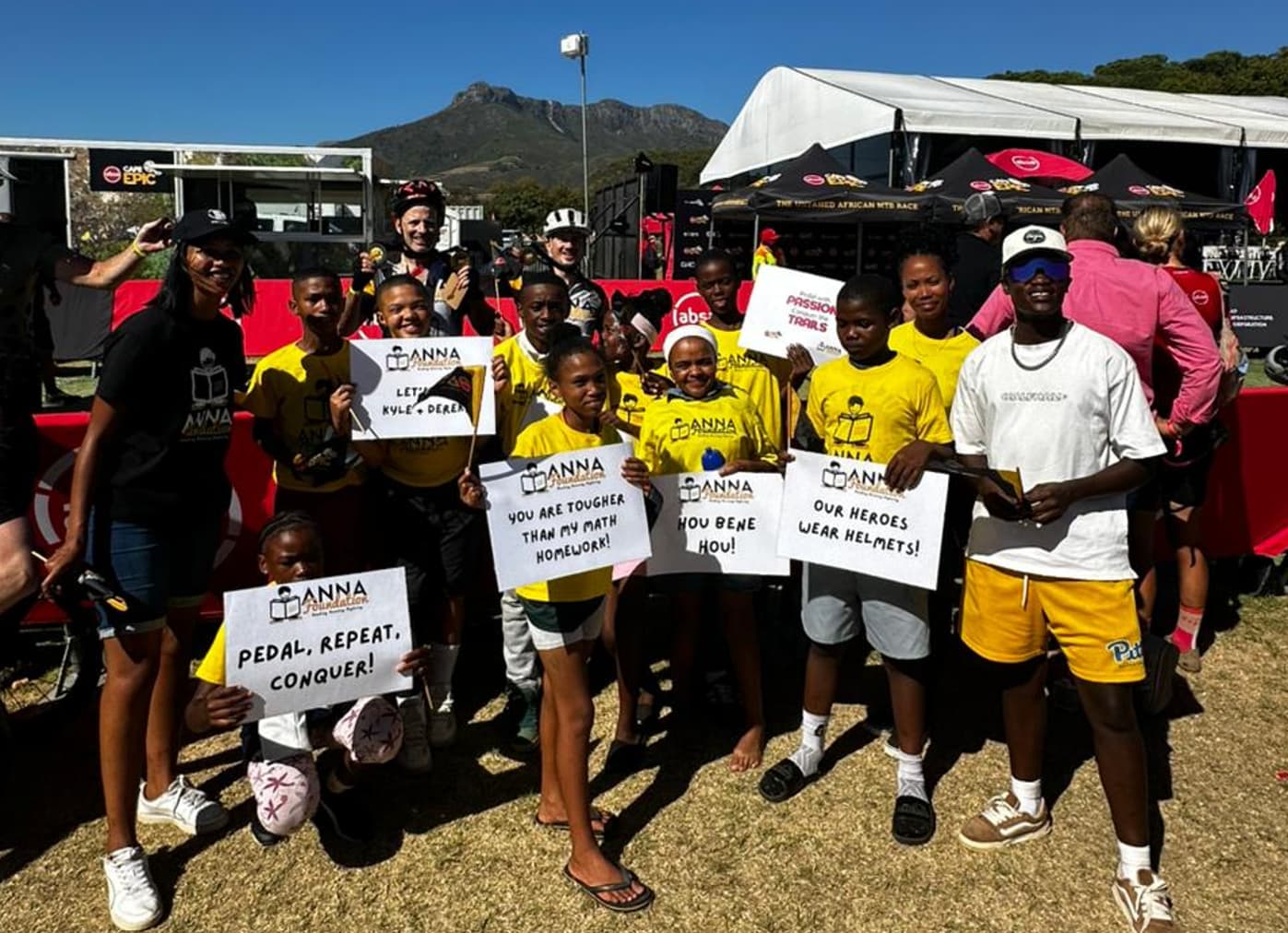
Kyle and Derek, thank you for the incredible effort you put into this ride and for the amazing fundraising you have done for the Anna Foundation. Your support helps us continue providing learning support, safe after-school spaces and sport opportunities for children living on farms in the Western Cape. 🚴
If you would like to make one last contribution to their campaign, donate here:
Donate to Kyle & Derek's CampaignThis event was a case study in leadership under prolonged pressure: prepare deeply, pace intelligently, lead with humility, decide decisively, protect your people and never forget why you started.
Months of structured preparation - Wines2Whales, training camps, ATTAKWAS, Imbuko Big 5 - did not guarantee a smooth race. What it did was create options when conditions changed.
Leaders should train their organisations not for perfect execution, but for resilience when plans break.
Strategy doesn't fail first. The environment changes first.
Physically, the data said “ready.” Mentally and emotionally, burnout and illness told a different story. The decision to rest even though I wanted to go wasn't weakness - it was leadership maturity.
Executive takeaway: Knowing when not to push is as important as knowing when to accelerate. Sustainable performance requires honest self‑assessment, not bravado.
Conservative pacing in the Prologue and Stage 1 wasn't about fear - it was about protecting downstream performance. Many competitors overcommitted early and paid for it later.
Leaders who sprint too early often don't make it to the final stage.
Stage 3 marked the shift from riding hard to riding intelligently - planning water points, managing average speeds, staying in groups, and using alliances.
Leadership lesson: When conditions deteriorate, process replaces power. Teams that systemise decision‑making outperform teams relying on individual brilliance.
The fall on Stage 4 wasn't catastrophic - but it exposed how one lapse in concentration can cascade into time pressure, physical strain, and emotional stress.
In high‑performance environments, it's rarely the big failures that hurt you - it's the accumulation of small ones.
From pacing decisions to mechanical stops, this race was never about individual performance. When one partner struggled, the other compensated - repeatedly.
Executive truth: High‑trust partnerships outperform high‑talent individuals every time. Alignment wins over ability under sustained pressure.
The alliance with Maria on Stage 5 was unconventional - but decisive. She didn't just add watts; she added belief, morale, and momentum.
Great leaders are not threatened by external strength - they know how to integrate it.
Skipping the final water point on Stage 5 wasn't comfortable. It was calculated, bold, and necessary.
Leadership parallel: When the clock is against you, clarity beats certainty. Indecision is often more dangerous than a wrong call.
Stage 6 was the mental breaking point. The body was damaged. Morale was low. Progress only resumed once belief was restored first in each other, then in the outcome.
Teams don't quit when they're tired. They quit when belief disappears.
Stopping to help broken teams on Stage 7 - giving up your last tube, fixing derailleurs, losing time - reinforced something critical:
Leadership isn't about winning at others' expense. It's about lifting the system you're part of.
The final stage stripped everything back. No ego. No racing. No “I”. Just a commitment to finishing together.
Sustainable leadership is measured not by how fast you go alone - but by who crosses the line with you.
Riding for the Anna Foundation changed the narrative. Suffering became service. Fatigue became fuel.
Purpose doesn't remove hardship, it justifies it. Organisations with purpose endure what others cannot.